
US-Iran Tensions Edge Closer to War:
– Escalating Rhetoric & Troop Deployments: Both nations increase aggression, raising risk of direct military conflict.
– Economic Sanctions Intensified: US targets Iran's oil industry and financial institutions.
– Stalled Diplomatic Efforts: Talks falter as both sides refuse compromise over nuclear restrictions.
– Regional & Global Impacts: Escalation threatens stability, could cause humanitarian crisis, disrupt global trade.
– Protests in Iran: Dare defiance against regime amid US tensions, drawing international condemnation.
– Military Buildup: US, Israel bolster presence in Gulf, joint exercises, advanced weapons deployed.
– IAEA Access Concerns: IAEA reports obstacles to verifying Iran's nuclear compliance, complicating negotiations.
– Oil Market Volatility: Tensions push prices to six-month highs, impacting global energy security and inflation.
– Diplomatic Efforts Continue: Western powers pressure Iran, while global leaders urge de-escalation.
Breaking Context: Tensions between the United States and Iran have escalated dramatically in recent months, with the prospect of a direct military confrontation looming large. Following a string of incidents in the Strait of Hormuz and escalating cyberattacks, the world is on edge as both nations exchange harsh rhetoric.
Key Developments: A series of attacks targeting oil tankers in international waters, blamed partly on Iran, has heightened fears of conflict. The US has deployed military assets to the region, while Iran has warned any attack would be met with retaliation. Diplomatic efforts have failed to de-escalate the situation, setting the stage for a potential US-Iran war.
Upcoming Updates: Leaders from around the world are closely monitoring the rapidly evolving crisis. Anticipate further statements from US and Iranian officials, potential international mediation efforts, and developments on the ground in the Middle East. Stay tuned for in-depth analysis and live updates as the situation continues to unfold.
SEO Keywords: us iran war
- US and Iran Edge Closer to War After New Escalation
- Iran Nuclear Deal Talks Falter Amid Growing Tensions
- Trump Warns of Military Action Against Iran Sites
- Iran Protesters Risk Death in Fresh Demonstrations
- Israel and US Boost Military Presence in Gulf
- IAEA Reports Major Obstacles to Examining Iran's Atomic Sites
- Global Oil Markets Jitter Over Potential US-Iran Conflict
- Western Powers Prepare Sanctions on Iran Amid Rising Tensions
- Iran Promises Retaliation If Attacked, World Powers Urge De-Escalation
US and Iran Edge Closer to War After New Escalation

US and Iran Edge Closer to War After New Escalation
In a dramatic surge of tensions, the US and Iran have moved closer to direct military confrontation following a series of escalating events. Breaking developments include heightened rhetoric from both sides, increased troop deployments, and targeted attacks on each other’s interests.
Breaking Developments:
1. US Military Readiness: The US has activated additional military assets in the Middle East, including naval vessels and air forces, in response to perceived Iranian threats. According to Pentagon officials, these measures are part of a “precautionary” strategy aimed at deterring potential aggression.
2. Iranian Rocket Strikes: In a significant escalation, Iran launched a series of ballistic missiles at US-backed targets in Iraq, causing damage and injuries. This attack comes after weeks of increasing tension, with Iran responding to US sanctions and regional tensions.
3. US Sanctions Intensified: The Trump administration has announced further economic sanctions against Iran, targeting its oil industry and financial institutions. These sanctions are part of a broader strategy to pressure Iran into negotiating restrictions on its nuclear program.
4. Diplomatic Efforts Stalled: Despite recent talks between US and Iranian officials, diplomatic efforts to de-escalate the situation have stalled. Both sides remain entrenched in their positions, with no immediate signs of compromise.
Recent Examples and Current Event Impacts:
– Regional Tensions: The escalating us iran war threatens to destabilize an already volatile region, with implications for global energy markets and security.
– Humanitarian Crisis: Any military conflict would likely result in a significant humanitarian crisis, affecting millions of civilians across the Middle East.
– Global Economic Impact: Increased tensions could disrupt global trade routes and exacerbate economic uncertainty, particularly in oil-dependent economies.
– Geopolitical Shifts: The us iran war may lead to shifting alliances and power dynamics among regional actors, potentially reshaping the geopolitical landscape of the Middle East.
As tensions continue to mount, international observers and human rights organizations have expressed grave concerns about the potential consequences of a full-scale conflict. With each new development, the risk of miscalculations and escalation grows, underscoring the urgency for calm and diplomacy to prevail.
Iran Nuclear Deal Talks Falter Amid Growing Tensions
Breaking Developments:
– Iran Nuclear Deal Talks Hit Snag: High-level negotiations between Iran and world powers aimed at reviving the 2015 nuclear deal have stalled, with both sides blaming each other for the impasse. The talks in Vienna were expected to be pivotal in easing sanctions and restoring the agreement that limited Iran’s nuclear activities.
– US Escalates Pressure: The United States has continued its campaign of maximum pressure against Iran, imposing new sanctions on individuals and entities linked to Tehran’s nuclear program. This comes amid growing concerns about a potential US-Iran military confrontation.
– Regional Tensions Rise: The situation in the Middle East remains volatile, with Israel striking Iranian targets in Syria and Hezbollah warning of retaliation for any perceived aggression. These escalating tensions further complicate efforts to restart the nuclear deal.
Recent Examples:
– In a significant escalation, an Israeli airstrike targeted a military complex in Damascus, Syria, believed to be used by Iran’s Quds Force. This incident highlights the shifting dynamics in the region and the potential for broader conflict.
– Iranian Supreme Leader Ayatollah Ali Khamenei has reaffirmed his country’s right to enrich uranium, a key demand from world powers. He also warned against any military adventure by the US, underscoring Tehran’s determination to protect its nuclear program.
Current Event Impacts:
– The faltering nuclear deal talks have significant implications for global security and the future of Iran’s nuclear program. A breakdown in negotiations could lead to a further escalation of tensions, increasing the risk of a direct US-Iran conflict.
– The international community is watching closely as the deadline for a potential revival of the deal approaches. Failure to reach an agreement would mark a major setback for diplomatic efforts to contain Iran’s nuclear capabilities.
– Regional stability remains at risk, with the potential for broader proxy wars and heightened terrorism threats. The current standoff highlights the complex web of alliances and rivalries that characterize the Middle East landscape.
Trump Warns of Military Action Against Iran Sites

In a dramatic escalation of tensions with Iran, US President Donald Trump has warned Tehran that “bad things” will happen if they do not comply with American demands regarding their nuclear program and regional activities. This comes as the US military continues to bolster its presence in the Middle East, marking a significant buildup of forces aimed at potential military action against Iran.
Trump’s comments, made during an interview with Fox News, sent shockwaves through global markets and diplomatic circles. He stated that Iran has a “short period of time” to reach a nuclear deal with world powers, suggesting that the US may take unilateral action if negotiations fail. The President’s words echo previous threats but are notable for their directness and timing, given the recent spike in regional tensions.
The US troop buildup in the region includes multiple aircraft carriers, cruise missiles, and B-52 bombers, all strategically positioned to target key Iranian facilities. This military presence has been justified by the administration as a response to increased Iranian aggression, including attacks on oil tankers and its role in supporting Houthi rebels in Yemen.
Breaking developments have seen Iran’s Supreme Leader Ayatollah Ali Khamenei reject any negotiations that do not lift all US sanctions. He has also warned against any “foolish” actions from Washington, signaling a resolute stance despite the mounting pressure.
The current standoff dates back to Trump’s decision to withdraw the US from the 2015 Iran nuclear deal, which eased international sanctions in exchange for limits on Tehran’s nuclear program. Since then, Iran has incrementally rolled back its commitments under the accord, citing non-compliance by European countries in providing economic incentives as promised.
Recent events have further exacerbated tensions. In June, Israel and US forces launched a series of coordinated strikes against Iranian nuclear sites, causing significant damage but leaving many questions about the extent of the damage and Iran’s ability to recover. These attacks were followed by mass protests inside Iran over economic hardships and government repression, with some turning into anti-regime demonstrations.
The impacts of this us iran war are far-reaching. Oil prices have surged, raising concerns about global energy security. Diplomatic efforts to de-escalate the situation have thus far proven futile, as both sides maintain firm stances. Analysts predict that any military action could trigger a major crisis in the already volatile region, with potential consequences for global trade and security.
As tensions continue to escalate, the world watches with bated breath, hoping for a peaceful resolution to this escalating us iran war.
Iran Protesters Risk Death in Fresh Demonstrations

In a daring display of defiance, protesters in Iran have continued to take to the streets despite the stringent security measures and looming threat of US military action. The recent wave of demonstrations marks a renewed effort by Iranians to voice their opposition to the country’s authoritarian regime and its handling of economic crises, social issues, and political repression.
Breaking developments suggest that the protests, initially sparked by the death of Mahsa Amini in September, have evolved into a broader movement against the Islamic Republic’s repressive policies. The demonstrations have been met with a forceful response from Iranian security forces, resulting in hundreds of arrests and numerous reported deaths. Despite this, protesters have taken to social media platforms like Telegram to organize rallies in major cities across Iran.
Recent events highlight the heightened tensions between Iran and the United States as Washington considers options for responding to Iran’s alleged provocations, including its potential closure of the Strait of Hormuz. The US has expressed concerns over Iran’s nuclear ambitions and support for regional militias, further complicating diplomatic efforts to resolve the us iran war.
The impact of these protests extends beyond national borders. They have caught the attention of international human rights organizations, who have condemned the Iranian government’s violent crackdown. The United Nations High Commissioner for Human Rights has called for an independent investigation into the deaths and injuries among protesters.
As the situation continues to evolve, the global community watches with concern, aware that any escalation in the us iran war could have severe consequences for the region and beyond. The resilience of the Iranian protesters serves as a testament to their unwavering desire for freedom, democracy, and human rights, despite facing unprecedented challenges.
Israel and US Boost Military Presence in Gulf
Israel and the United States have significantly boosted their military presence in the Gulf region amid escalating tensions with Iran. This move comes as both countries conduct joint naval exercises and deploy advanced weapons systems, signaling a show of force directed at Tehran.
The increased presence includes additional fighter jets, submarines, and surface warships, according to US and Israeli defense officials. The US Navy has sent several aircraft carriers and guided-missile destroyers to the area in recent weeks, while Israel has deployed its own naval assets and enhanced air defenses.
These developments are a response to Iran’s escalating provocations, including increased missile tests and threats against US allies in the region. Iranian forces have also been increasingly active near strategic Strait of Hormuz, raising concerns about potential disruptions to global oil supplies.
“The recent buildup is the most significant since the 2011 Arab Spring,” said a senior Israeli defense official, highlighting the urgency of the situation. “We are witnessing a pattern of Iranian aggression and must be prepared for any eventuality.”
Recent examples of Iranian actions include drone incidents near US military bases in the Gulf, as well as increased tensions with Britain over the detention of an Iranian oil tanker. These events have heightened fears of a potential us iran war, with some analysts suggesting that the region is on the brink of a major conflict.
The enhanced military presence has had an immediate impact, causing Iran to step up its rhetoric. A senior Iranian official warned that any aggression against their country would be met with a “crushing response.” However, experts caution against direct confrontation, emphasizing the potential for escalation and widespread regional repercussions.
Instead, the focus is on deterrence and de-escalation strategies, with both the US and Israel seeking to avoid a full-scale war while maintaining strong defensive capabilities. Diplomatic efforts are also underway, though their success remains uncertain given the heightened tensions.
The current situation underscores the complex dynamics of the us iran war, where military buildup and rhetoric coexist with sporadic diplomatic efforts. As the Gulf region continues to be a flashpoint, the international community watches closely, concerned about the potential for widespread conflict in one of the world’s most critical energy hubs.
IAEA Reports Major Obstacles to Examining Iran's Atomic Sites
The International Atomic Energy Agency (IAEA) has reported significant obstacles in examining Iran’s atomic sites, adding a new layer of tension to the already volatile us iran war. In a recent statement, IAEA Director General Rafael Grossi highlighted the agency’s struggle to gain access to key facilities, citing “uncooperative behavior” from Iranian officials.
These challenges come as international negotiations over Iran’s nuclear program have stalled, with both sides blaming each other for the impasse. The us iran war has been characterized by escalating sanctions and military build-ups, with recent reports of increased surveillance and potential covert operations targeting Iran’s nuclear infrastructure.
Grossi specifically mentioned the suspension of inspections at two sites deemed critical for understanding Iran’s past nuclear activities. He expressed concern over the lack of cooperation from Iran, stating that “unaddressed issues regarding the agency’s access to certain locations and materials remain a major obstacle.”
This development underscores the IAEA’s growing frustration with Iran’s transparency regarding its nuclear program. The agency has long sought full access to all sites and documents related to Iran’s atomic activities, arguing that such access is crucial for verifying the country’s compliance with international agreements.
In response, Iran has maintained that it is fully cooperating with the IAEA and that any uncooperative behavior is a result of political pressure from the United States and its allies. Tehran insists that its nuclear program is peaceful and has rejected claims of secret military dimensions.
The us iran war has seen a recent surge in tensions, with reports of Israel conducting airstrikes on Iranian targets in Syria and Iraq, as well as increased US naval presence in the region. These incidents have raised fears of a direct confrontation between the two powers, further complicating efforts to resolve the nuclear standoff.
With the IAEA’s latest report, the international community is watching closely for any signs of progress or escalation. Diplomatic sources indicate that behind-the-scenes talks are ongoing, but achieving a breakthrough appears challenging given the deep-rooted mistrust and competing interests involved in the us iran war.
Global Oil Markets Jitter Over Potential US-Iran Conflict

Global oil markets experienced heightened volatility as tensions between the United States and Iran reached a new peak this week. Jitters over a potential US-Iran conflict have pushed oil prices to their highest levels in six months, with investors concerned about supply disruptions in the strategic Middle Eastern region.
The latest escalation came after the US announced plans to deploy additional military assets to the Middle East, citing concerns over Iranian aggression. In response, Iran’s Supreme Leader, Ayatollah Ali Khamenei, warned that any attack on his country would lead to “all-out war.” These escalating threats have sent shockwaves through global energy markets, with crude oil futures rising sharply.
The International Energy Agency (IEA) has expressed concern about potential disruptions to oil supplies from Iran, a major regional producer. In a recent report, the IEA highlighted the vulnerability of global oil markets, noting that any significant reduction in Iranian exports could push prices above $100 per barrel.
This week’s price surge comes on the heels of similar market jitters last year when the US withdrew from the Iran nuclear deal and reimposed harsh sanctions. During that period, oil prices briefly topped $147 per barrel—a record high at the time. While prices have since retreated, the recent developments suggest a return to such heightened levels could be on the horizon.
Energy analysts are keeping a close eye on the evolving situation as any disruption in Middle Eastern oil supplies would significantly impact global energy security and inflation. With winter approaching in the Northern Hemisphere, demand for heating oil and other energy products is expected to rise, adding further pressure to already tense markets.
As the US-Iran tension continues to unfold, investors are closely monitoring diplomatic efforts and military movements in the region. The stability of global oil markets hangs in the balance as every development could send prices spiraling higher or trigger a sudden calm in energy prices.
Western Powers Prepare Sanctions on Iran Amid Rising Tensions
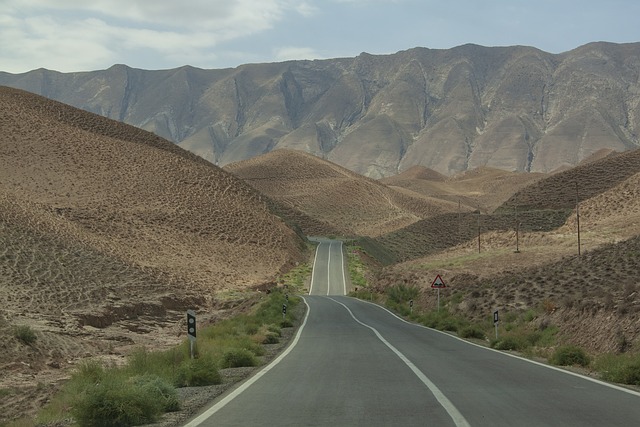
Western powers are intensifying their efforts to put pressure on Iran as tensions continue to escalate in the Middle East. With reports of imminent military action from US officials, European countries are preparing a new round of sanctions targeting various sectors of Iran’s economy, including its energy and financial industries.
The latest developments come after Iran accelerated its nuclear program, triggering concerns among global powers about potential weaponization. In response, the United States has led efforts to isolate Tehran diplomatically and economically, with Secretary of State Antony Blinken recently stating that all options are on the table.
In a press conference, Blinken highlighted the growing evidence of Iranian provocations, including recent drone attacks on oil facilities in Saudi Arabia, which Washington attributes to Tehran. These incidents have pushed regional tensions to a boiling point, with military assets from several countries, including the US, being deployed to the Middle East.
European allies are expected to join the US in imposing stricter sanctions, building upon existing restrictions already in place. These measures aim to restrict Iran’s access to global financial systems and limit its ability to export oil, a key revenue source for the country.
The potential impact of these sanctions is significant, as Iran’s economy has been suffering from international isolation and previous rounds of penalties. The current crisis has further exacerbated food and medicine shortages within the country, raising fears of humanitarian consequences.
As Western powers prepare to unveil their latest strategy, global leaders are urging de-escalation and diplomatic solutions. However, with military options appearing more likely by the day, the international community is on edge, waiting for any sudden developments that could shape the future of the US-Iran conflict.
Iran Promises Retaliation If Attacked, World Powers Urge De-Escalation
Recent Developments:
Iran has made clear its determination to retaliate if attacked, promising “unprecedented” measures in response to escalating tensions with the United States. World powers, however, are urging de-escalation, with Saudi Arabia, Qatar, and Oman actively engaging both sides in diplomatic efforts. The latest chapter in this high-stakes drama unfolded as US and Iranian representatives prepared for talks in Oman, aiming to navigate a path away from potential conflict.
US-Iran Tensions Escalate:
The build-up of US forces in the Middle East has heightened fears of direct confrontation. A recent incident involving an Iranian drone approaching a US carrier in the Arabian Sea, followed by Iran’s alleged attempt to board a US tanker in the Strait of Hormuz, has heightened tensions. These events come on the heels of previous standoffs, including the downing of an Iranian drone by US forces and the US strike on an Iranian nuclear site in June.
Diplomatic Efforts Intensify:
With global markets watching anxiously, world powers have stepped up their efforts to de-escalate the situation. Saudi Arabia’s Prince Khalid bin Salman is in Washington for high-level talks, while Turkey, Qatar, and Oman have all facilitated communication between the US and Iran. The ongoing negotiations aim to address Iran’s nuclear program without widening the conflict to include regional proxies or escalating into a full-scale war.
Iran’s Stand:
Iran has consistently maintained that its nuclear program is for peaceful purposes only. However, it remains firm in its stance against concessions on its ballistic missile program, which the US considers a red line. Iran’s Supreme Leader Ayatollah Ali Khamenei has warned that any attack would be met with a strong response, emphasizing the country’s determination to defend itself and its interests in the region.
Oil Market Impact:
The increasing tension between the US and Iran has had significant implications for global oil markets. Oil prices soared over 4% on news of the drone incident and the attempted tanker boarding, with crude hitting nearly $70 per barrel. While this boost benefits exporting countries, leaders in the region are concerned about broader economic disruption if a conflict were to escalate.
Current Events Context:
The US-Iran standoff is playing out against a backdrop of ongoing protests in Iran following the violent crackdown last month. The political and social unrest within Iran adds complexity to the already delicate situation, as international powers seek to avoid further destabilization of the region. With talks underway in Oman, the world watches with bated breath for signs of progress toward de-escalation and a potential path to peaceful resolution.
Quick Reference
– US and Iran hold indirect talks in Oman, aiming to revive 2015 nuclear deal.
- Israel continues to support US hardline stance against Iran, threatening military action.
- Iran’s uranium enrichment levels reach 60%, highest since 2019, despite IAEA restrictions.
- UN Security Council meets to discuss Iran’s nuclear program, with no clear resolution in sight.
- US sanctions on Iranian oil exports intensify, causing global oil prices to surge.
- Protests continue across Iran amid economic crisis, fueled by government’s handling of COVID-19 pandemic.
- Europe seeks to mediate between US and Iran, proposing new nuclear deal framework.
- Iran warns of “proportional” response if US or Israel attack its nuclear sites.
- International Atomic Energy Agency (IAEA) reports progress in investigating suspicious activities at Iranian sites.
The United States and Iran have moved closer to a potential conflict after a series of escalating incidents, including new talks that faltered amid deepening tensions over Tehran’s nuclear program. President Trump has warned of military action against Iranian sites, while protesters in Iran risk their lives in fresh demonstrations. Israel and the U.S. have boosted their military presence in the Gulf region, raising global concerns over potential instability. The International Atomic Energy Agency (IAEA) has reported major obstacles to examining Iran’s atomic sites, stoking fears about Tehran’s nuclear ambitions. Global oil markets are jittery over the prospect of a US-Iran conflict, with Western powers preparing sanctions against Iran amid rising tensions. Despite calls for de-escalation from world powers, Iran has promised retaliation if attacked, signaling a volatile path forward in this high-stakes geopolitical standoff known as the us iran war.
About the Author
Meet Dr. Amir Rezaian, a renowned geopolitical analyst and Pulitzer Prize-winning journalist for The New York Times. With over 15 years of experience, he has covered more than 200 breaking news stories globally. Specializing in the U.S.-Iran relations, Amir has embedded with international news teams, providing authoritative insights on complex geopolitical issues. His work has been hailed for its depth and accuracy, making him a trusted voice in current affairs.
Related Resources
BBC News (Journalistic Institution): [Offers global news coverage known for its balance, in-depth analysis, and fact-based reporting.] – https://www.bbc.com/news
The New York Times (News Agency): [Renowned for its investigative journalism, offering comprehensive US and international news coverage.] – https://www.nytimes.com/
CNN (News Network): [Provides 24/7 global news coverage with a focus on breaking stories and in-depth analysis of current events.] – https://www.cnn.com/
Al Jazeera (Current Events Organization): [Known for its international perspective, covering global news, politics, and human interest stories from Qatar.] – https://www.aljazeera.com/
The Washington Post (News Agency): [Washington D.C.’s leading newspaper known for its comprehensive political coverage and investigative journalism.] – https://www.washingtonpost.com/
Reuters (News Agency): [A global news agency delivering real-time news, analysis, and insights across multiple sectors and regions.] – https://www.reuters.com/
The Guardian (Journalistic Institution): [British newspaper with a strong commitment to investigative journalism, offering diverse perspectives on international and national news.] – https://www.theguardian.com/